How Mail Forwarding Works: A Complete Guide for Businesses
If you’re using a virtual address and wondering where your business mail goes when you're not in the office, you're not alone.
As more businesses embrace remote and hybrid working models, many are using virtual addresses as their official business address. As a result, business mail is increasingly being delivered to virtual offices.
But how does mail forwarding actually work?
While the concept is straightforward, many business owners still have questions about what happens after mail arrives at a virtual address, how forwarding is handled, and whether a virtual office mail service is the right solution for their business.
Understanding this process is important, as it helps you see how your mail is managed once it reaches a virtual address, while also highlighting the value of choosing a reliable provider for peace of mind and consistent service.
In this guide, we'll explain how mail forwarding works, who uses it, its benefits and limitations, and what to consider before selecting a provider.
What Is Mail Forwarding?
Mail forwarding is a service that receives mail on your behalf at one address and redirects it to another location.Businesses commonly use a virtual address provider, which typically includes mail forwarding services. Instead of receiving correspondence at a home address or physical office, mail is delivered to the provider's address and then processed according to your preferences.
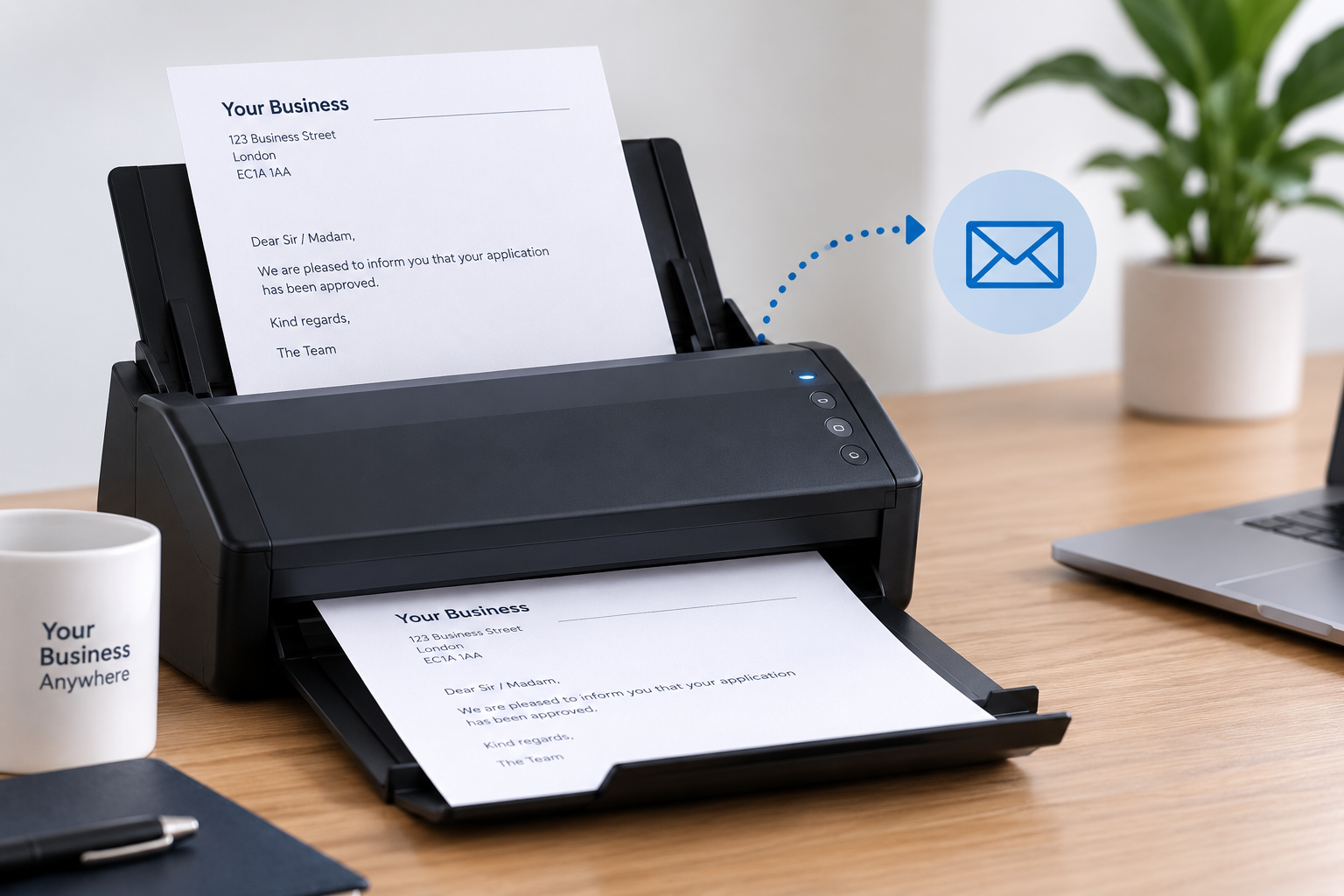
Depending on the provider, this may include forwarding physical mail, scanning documents, temporarily storing items, or securely disposing of unwanted correspondence. This provides a more flexible way to manage business mail without being tied to a specific location.
How Mail Forwarding Works
Now for the question you've been waiting for: how does mail forwarding actually work?Although virtual address providers may differ slightly in how they operate, the process generally follows the same five steps.
1. Register with a Virtual Address Provider
The first step is to sign up with a virtual address provider. During registration, you'll provide your details and select the business address you want to use. Many providers offer multiple address locations, allowing you to choose one that best suits your business.
Tip: Don't automatically choose the most prestigious or expensive address in areas such as Mayfair or Oxford Street. Instead, select an address that aligns with your business and target audience. Choosing a location that feels appropriate for your company can help build trust and create a more authentic business presence.
2. Mail Is Delivered to your Virtual Address
Once you've registered the address for your business and started using it on your website, invoices, company records, and other business documents, people and organisations will begin sending mail there.
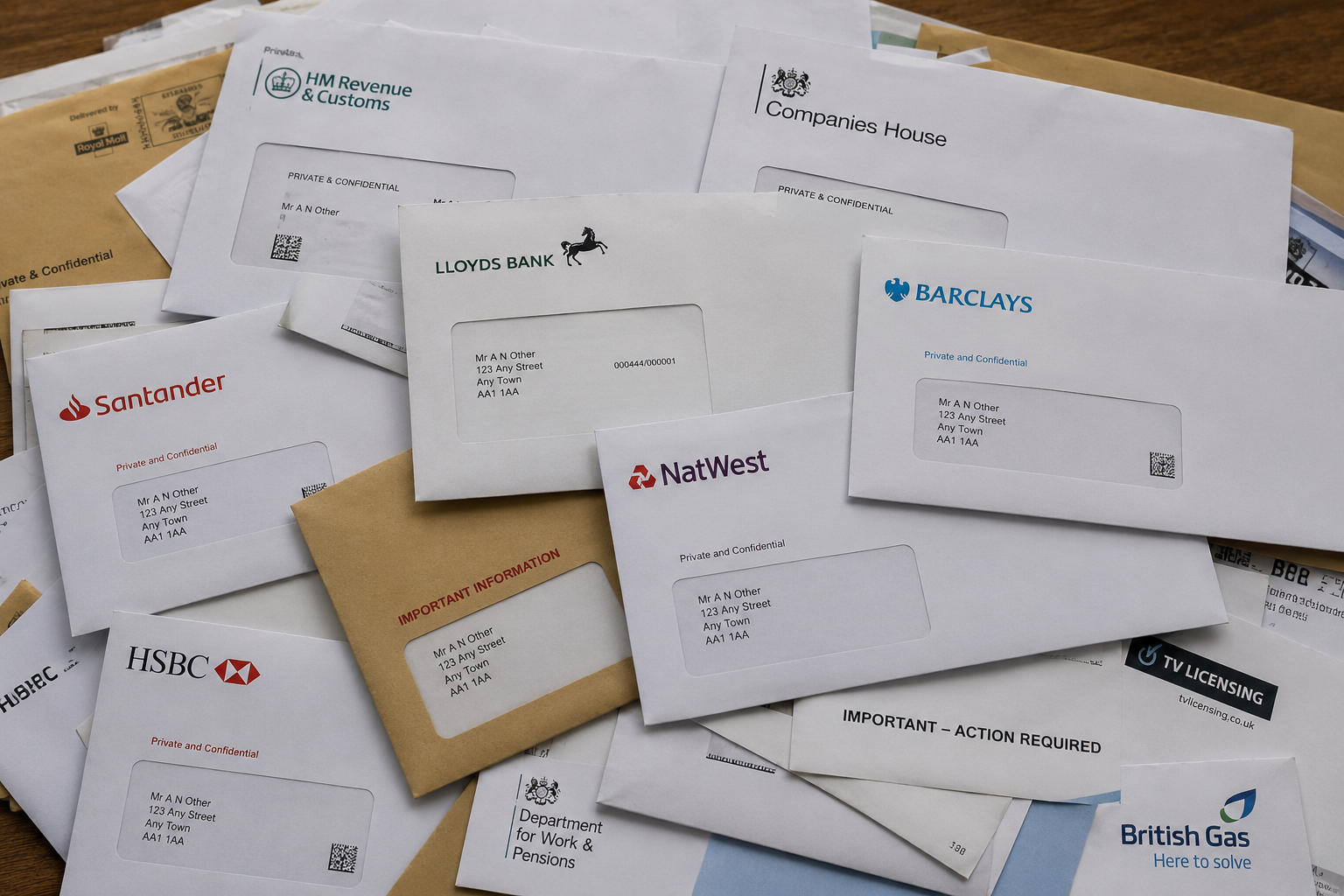
This may include customers, suppliers, government agencies, banks, and other third parties that need to contact your business by post.
At this stage, the mail arrives at your virtual address rather than your home address. What happens next depends on the mail-handling options provided by your virtual address provider.
3. The Provider Receives and Processes Your Mail
When mail arrives at your virtual address, the provider receives it on your behalf and logs it in their system. Each item is registered so it can be tracked and managed throughout the handling process.
Most providers also notify you when new mail arrives, usually via email alerts. This keeps you updated in real time without needing to check a physical mailbox.
4. You Choose How the Mail Is Handled
One of the key benefits of using a virtual address is the flexibility it offers in how your mail is managed. Instead of automatically forwarding everything, most providers allow you to choose how mail is handled.
Common options include:
● Scan only – The provider opens and scans your mail so you can view it digitally.
● Posting (forwarding) – Physical mail is sent to your chosen address.
● Scan + Post – You receive a digital copy first, followed by the physical item if needed.
● Collection – You can pick up your mail directly from the provider’s location.
These options give you full control over how your correspondence is handled, allowing you to prioritise important documents, reduce unnecessary forwarding, and manage mail in the way that best suits your business.
5. Mail Is Forwarded to Your Chosen Location
If you choose mail forwarding, you can decide where your mail should be sent. The provider will then package and forward your items to your preferred address.In most cases, this is sent via Royal Mail First Class.
Conclusion
Virtual addresses and mail forwarding services have become increasingly popular as more businesses adopt remote and hybrid working models. However, many clients are still curious about how the process works and what actually happens to their business mail once it is sent to a virtual address.In practice, mail forwarding is a simple and flexible system designed to work in the customer’s favour. It allows businesses to receive, manage, and redirect mail in a way that suits their needs, ensuring important correspondence is always accessible, no matter where they are based.
FAQ
1. What is mail forwarding in a virtual address service?
Mail forwarding is a service popularly used by start-ups and small businesses where mail sent to your virtual business address is received by a provider and then redirected to your chosen location or delivered digitally.
2. How long does it take for forwarded mail to arrive?
This depends on the provider and shipping method, but most forwarded mail is sent via postal services like Royal Mail First Class and typically arrives within 1–3 working days in the UK.
3. Is mail forwarding from a virtual address secure?
Yes, reputable providers log, track, and securely handle all incoming mail. Many also offer scanning options so you can view documents digitally before deciding what to do next.
4. Can I use a virtual address for company registration and official documents?
Yes, many businesses use virtual addresses as their registered office or trading address. However, it’s best to check with your provider to ensure the service is suitable for company registration and to confirm how official documents are received and handled.
5. What happens if I don’t want my mail forwarded?
You can usually choose alternative options such as scanning, secure storage, or disposal. This gives you full control over how your business mail is managed.
Now that you understand how mail forwarding works, you can better decide whether a virtual address service is the right solution for your business. If you’re considering a virtual address service, make sure to choose a provider that offers secure and flexible mail handling options to suit your needs.